


Color Your Way to Mastery
Couldn't load pickup availability
90-day money-back guarantee


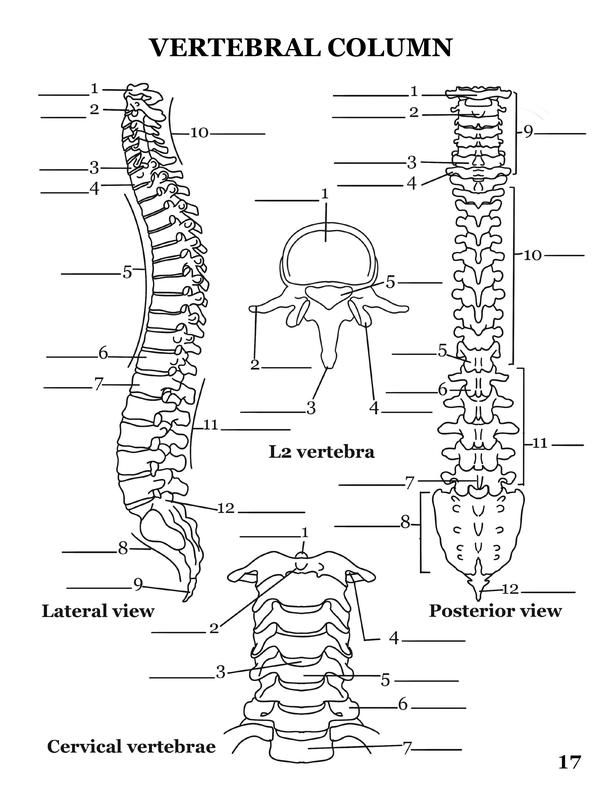
Not at all. The workbook is designed to be accessible whether you're picking up anatomy for the first time or reviewing concepts you studied years ago. Each diagram is labeled and guided so you always know what you're working with.
The book covers the skeletal system, muscular system, major organs, cells, the nervous system, the cardiovascular system, and more — with 100+ detailed illustrations across all sections.
Yes — it's specifically designed for nursing students, pre-med students, and high school biology learners. The active coloring method has been shown to support better spatial memory for anatomy structures compared to passive reading alone.
Colored pencils work best since the diagrams have fine detail and line work. Markers can be used on the less detailed pages, but colored pencils give you the most control for distinguishing overlapping structures.
One Workbook. Every system in your body.
100+ diagrams built to make anatomy stick — through color, repetition, and active recall.
Active coloring vs. passive reading.
Not all study methods are equal — here's what the difference actually looks like.
| FEATURE | Typical Textbook | This Workbook |
|---|---|---|
| Study Method | ✗ Passive reading only | ✓ Active color + label |
| Retention Rate | ✗ Lower recall over time | ✓ Visual memory anchoring |
| Diagram Count | ✗ Limited illustrations | ✓ 100+ detailed diagrams |
| Body Systems Covered | ✗ Partial coverage | ✓ Skeletal, muscular, neuro, cardio & more |
| Bonus Content | ✗ None | ✓ 30 embedded body facts |
| Audience Fit | ✗ Narrow, academic-only | ✓ Students, nurses, adults, hobbyists |
| Engagement Level | ✗ Easy to zone out | ✓ Hands-on, hard to rush |
| Art Quality | ✗ Dense or blurry prints | ✓ Clean line art, pencil-ready |
Three steps. One complete system.
From blank diagram to locked-in memory — here's exactly how to use this workbook.